Monday, March 31, 2008

Potatoes

Gerald Costanzo (b. 1945)

Grandpa said potatoes
reminded him of school.

Potatoes and school.
He said he'd wake nearly

freezing, kindle a fire
and throw two potatoes

on. Going to school
he carried them to
warm his hands. To
warm his feet he ran.

He said by noontime
those potatoes almost

froze, said he ate a lot
of cold potatoes for lunch.


Sunday, March 30, 2008

Green

Richard Wilbur

Tree-leaves which, till the growing season's done,
Change into wood the powers of the sun,

Take from that radiance only reds and blues.
Green is the color that they cannot use,

And so their rustling myriads are seen
To wear all summer an extraneous green,

A green with no apparent role, unless
To be the symbol of a great largesse

Which has no end, though autumns may revoke
That shade from yellowed ash and rusted oak.


Saturday, March 29, 2008

Invitation to a Ghost

Donald Justice (1993)

for Henri Coulette (1927-1988)

I ask you to come back now as you were in youth,
Confident, eager, and the silver brushed from your temples.
Let it be as though a man could go backwards through death,
Erasing the years that did not much count,
Or that added up perhaps to no more than a single brilliant forenoon.

Sit with us. Let it be as it was in those days
When alchohol brought our tongues the first sweet foretaste of oblivion
And what should we speak of but verse? For who would speak of
such things now but among friends?
(A bad line, an atrocious line, could make you wince; we have all seen it.)

I see you again turn toward the cold and battering sea.
Gull shadows darken the skylight; a wind keens among the chimney pots,
Your hand trembles a little.
What year was that?

Correct me if I remember it badly,
But was there not a dream, sweet but also terrible,
In which Eurydice, strangely, preceded you?
And you followed, knowing exactly what to expect, and of course she
did turn.
Come back now and help me with these verses.
Whisper to me some beautiful secret that you remember from life.

Friday, March 28, 2008

My Childhood's Home I See Again

Abraham Lincoln (1809-1865)

I.

My childhood's home I see again,
And sadden with the view;
And still, as memory crowds my brain,
There's pleasure in it too.

O Memory! thou midway world
'Twixt earth and paradise,
Where things decayed and loved ones lost
In dreamy shadows rise,

And, freed from all that's earthly vile,
Seem hallowed, pure, and bright,
Like scenes in some enchanted isle
All bathed in liquid light.

As dusky mountains please the eye
When twilight chases day;
As bugle-tones that, passing by,
In distance die away;

As leaving some grand waterfall,
We, lingering, list its roar—
So memory will hallow all
We've known, but know no more.

Near twenty years have passed away
Since here I bid farewell
To woods and fields, and scenes of play,
And playmates loved so well.

Where many were, but few remain
Of old familiar things;
But seeing them, to mind again
The lost and absent brings.

The friends I left that parting day,
How changed, as time has sped!
Young childhood grown, strong manhood gray,
And half of all are dead.

I hear the loved survivors tell
How nought from death could save,
Till every sound appears a knell,
And every spot a grave.

I range the fields with pensive tread,
And pace the hollow rooms,
And feel (companion of the dead)
I'm living in the tombs.


Thursday, March 27, 2008

March

Louise Glück (2008)

The light stays longer in the sky, but it’s a cold light,
it brings no relief from winter.

My neighbor stares out the window,
talking to her dog. He’s sniffing the garden,
trying to reach a decision about the dead flowers.

It’s a little early for all this.
Everything’s still very bare—
nevertheless, something’s different today from yesterday.

We can see the mountain: the peak’s glittering where the ice catches the light.
But on the sides the snow’s melted, exposing bare rock.

My neighbor’s calling the dog, making her unconvincing doglike sounds.
The dog’s polite; he raises his head when she calls,
but he doesn’t move. So she goes on calling,
her failed bark slowly deteriorating into a human voice.

All her life she dreamed of living by the sea
but fate didn’t put her there.
It laughed at her dreams;
it locked her up in the hills, where no one escapes.

The sun beats down on the earth, the earth flourishes.
And every winter, it’s as though the rock underneath the earth rises
higher and higher and the earth becomes rock, cold and rejecting.

She says hope killed her parents, it killed her grandparents.
It rose up each spring with the wheat
and died between the heat of summer and the raw cold.
In the end, they told her to live near the sea,
as though that would make a difference.

By late spring she’ll be garrulous, but now she’s down to two words,
never and only, to express this sense that life’s cheated her.

Never the cries of the gulls, only, in summer, the crickets, cicadas.
Only the smell of the field, when all she wanted
was the smell of the sea, of disappearance.

The sky above the fields has turned a sort of grayish pink
as the sun sinks. The clouds are silk yarn, magenta and crimson.

And everywhere the earth is rustling, not lying still.
And the dog senses this stirring; his ears twitch.

He walks back and forth, vaguely remembering
from other years this elation. The season of discoveries
is beginning. Always the same discoveries, but to the dog
intoxicating and new, not duplicitous.

I tell my neighbor we’ll be like this
when we lose our memories. I ask her if she’s ever seen the sea
and she says, once, in a movie.
It was a sad story, nothing worked out at all.

The lovers part. The sea hammers the shore, the mark each wave leaves
wiped out by the wave that follows.
Never accumulation, never one wave trying to build on another,
never the promise of shelter—

The sea doesn’t change as the earth changes;
it doesn’t lie.
You ask the sea, what can you promise me
and it speaks the truth; it says erasure.

Finally the dog goes in.
We watch the crescent moon,
very faint at first, then clearer and clearer
as the night grows dark.
Soon it will be the sky of early spring, stretching above the stubborn ferns and
violets.

Nothing can be forced to live.
The earth is like a drug now, like a voice from far away,
a lover or master. In the end, you do what the voice tells you.
It says forget, you forget.
It says begin again, you begin again.

Wednesday, March 26, 2008

Comments for the Czarina

Catherine Wing (2005)

That night even the moon was living
in a puddle, milky, watered-down
version of nightscape, flapping
its wings on the margins of murk.

Someone somewhere was
speaking of Cary Grant
in a restaurant dressed in voodoo lilies:
Vietnamese to L'Orangerie.

"Well," said our river-pirate, currently
writing a survival guide to small engines,
"It won't always be like buckshot
dropping in a bucket."

Meanwhile, a ways back
in the same line, a man was facing
a long commute in colloquial Bulgarian,
this rocket scientist with a

Wall Street focus to whom
someone was whispering, "Excuse me,
do you know the way
to the rickshaw dealership?"

Then five minutes of weather
and the melody of maritime
tragedy on the radio as
the clever-jack-chronicler,

who believes there is no such thing
to which everything corresponds,
cries out in his sleep,
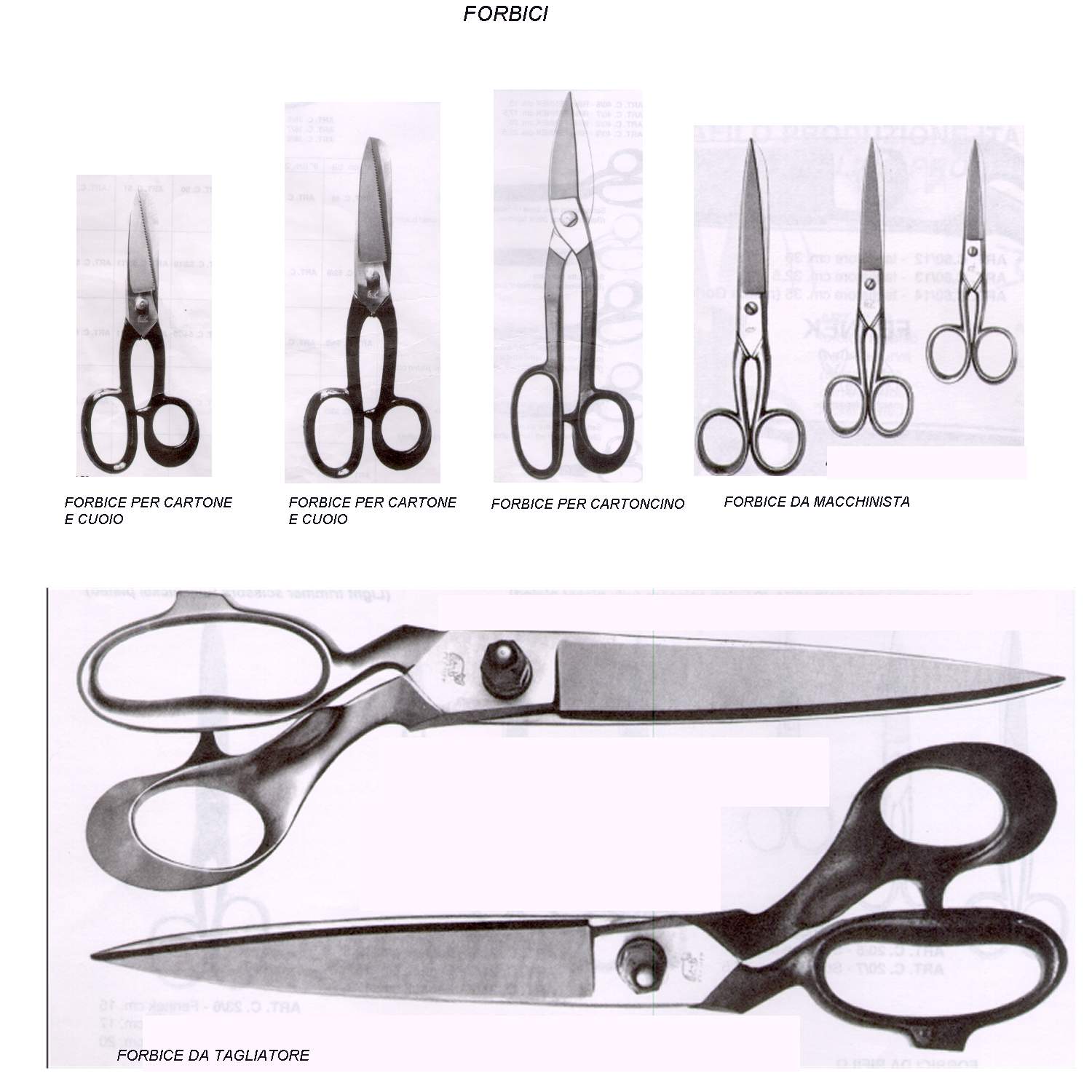
"forbici, forbici, forbici."


Tuesday, March 25, 2008

Tell Them

Catherine Wing (2005)
in response to John Stammers

Tell them all what you have done:
tell the sea and tell the sun;
the riptide as it carries off a child;
the weather, whether calm or wild;
gas attendants; postal clerks;
the priest; the president; the soda jerk.
Confess it quietly to recycling bins;
tell the sardines in their sardine tins.
Announce it to the media; swear it at the bar;
browse it in the library and translate near and far.
Declare it at the altar or on the witness stand.
Gather up your words and put them in your hands.
Watch them curse and chatter, break and betray.
They are no good at talking, no matter what they say.